
Winter walks can bring wet paws, grit, leaves, and muddy prints straight into the house. A small, well-planned entryway routine makes it easier to clean up before the mess reaches rugs, soft furniture, and the family’s favorite lounging spots.
You do not need a full mudroom to make it work. A few practical supplies, a place for wet gear, and a repeatable after-walk habit can turn even a compact front door area into a pet-friendly landing zone.
1. Create a clear landing strip by the door
Start with the floor. Use a washable runner or a boot tray in the area where your dog naturally pauses after coming inside. Choose a surface that is easy to clean and does not bunch up underfoot. If you use a rug, pair it only with a pad that is compatible with your flooring and rug, and check that the edges stay flat.
Keep the path from the door to the rest of the home open. Shoes, bags, toys, and parcels can quickly turn a narrow entry into an obstacle course, especially when someone is holding a leash and helping a dog at the same time.
2. Keep a small paw-care kit within reach
Place a basket or lidded container near the door with two absorbent towels, a spare cloth, and pet wipes if you already use a product that is suitable for your dog. A small washable mat gives you a defined place to pause. Keep the supplies together so you are not searching through a closet with a wet dog waiting nearby.
Store cleaning products, small accessories, and anything a pet might chew safely out of reach. Use products on paws only when their labels say they are appropriate for that purpose; ordinary household surface cleaners are not paw wipes.
3. Make the after-walk routine short and consistent
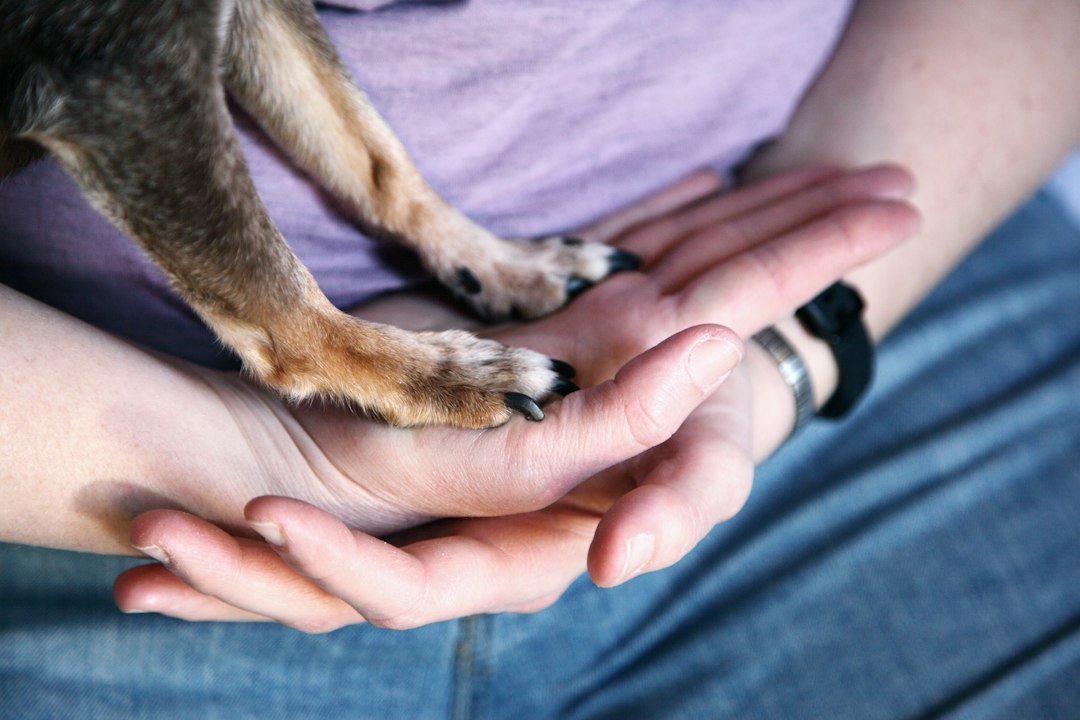
When you come in, pause at the landing spot before heading into the living room. Keep the leash on while you gently wipe each paw, including between the toes if your dog is comfortable with that. Dry the paws rather than leaving them damp, and check for visible grit, small stones, or stuck leaves.
Keep the routine relaxed. A quiet voice and a small reward can help your dog learn what to expect. If your pet is uncomfortable with paw handling, take it slowly and build tolerance in short steps instead of forcing the process.
4. Give wet coats, leashes, and shoes a place to dry
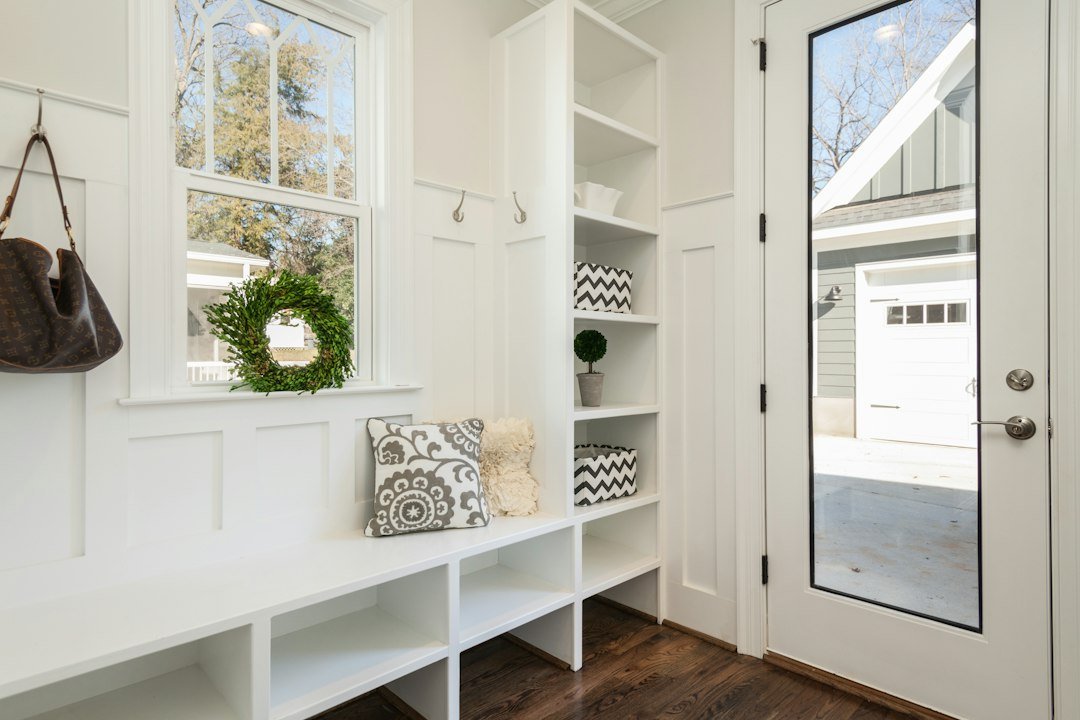
Use wall hooks or a short rail for leashes, harnesses, and dog coats. Put wet shoes on a tray and keep a separate hook or basket for the towel you use after walks. Let damp items dry with some airflow before storing them away; sealing wet fabric in a closed basket can leave it musty.
A simple bench or shelf can hold spare bags and everyday walking supplies. Keep the most-used items at a height that adults can reach quickly, while storing small or tempting objects where children and pets cannot get to them.
5. Keep the route into the living room safe
Dry wet patches promptly using a method that is safe for your floor finish. Check that mats do not slide when a dog turns around or when someone steps on the edge. Keep the doorway clear of loose cords and small objects, and move water bowls away from the main walking path.
If the entryway opens directly into a living room, create a small pause point between the door and the soft seating area. That makes it easier to finish the paw routine before your dog heads for a favorite cushion, rug, or bean bag.
6. Make cozy seating easier to maintain
Once paws are dry, pets can settle into the part of the home where the family relaxes. If your dog is allowed on a sofa or bean bag, consider placing a washable throw over its favorite spot and cleaning it according to its care label. Do not assume every cover can go in the washing machine; follow the manufacturer’s instructions.
Regularly shake out the entry mat, wash towels, and vacuum nearby floors. Small, frequent resets are usually easier than waiting until mud and loose hair have spread through the room.
Quick pet-friendly entryway checklist
- Keep a washable, non-bunching mat or tray by the door.
- Store clean towels and suitable paw-care supplies within reach.
- Wipe and dry paws before your dog walks through the home.
- Hang wet leashes and coats so they can dry with airflow.
- Keep shoes, cords, cleaners, and small objects out of the walking path.
- Wash throws and entryway textiles according to their care labels.
A little preparation makes winter walks easier
A pet-friendly entryway is less about buying more storage and more about giving everyday items a consistent place. Set up a landing spot, keep a towel ready, and follow the same calm routine after each walk. Your dog gets a more predictable welcome home, and the rest of the living room stays easier to enjoy.
Featured photo: Rebecca Campbell on Unsplash.