
A living room can feel completely different after sunset. The same sofa, rug, and favorite lounge seat that look bright during the day can become a relaxing place to unwind with the right lighting. Instead of relying on one bright ceiling fixture, try layering several softer light sources so the room works for reading, conversation, family time, and quiet evenings.
What does layered lighting mean?
Layered lighting simply means using more than one kind of light in a room. Ambient lighting gives the space an overall glow, task lighting helps with activities such as reading, and accent lighting draws attention to details like artwork, plants, or shelves. You do not need a complicated lighting plan—two or three thoughtfully placed fixtures can make a noticeable difference.
1. Start with a comfortable overall glow
Begin with the room’s main light source. If your overhead fixture feels harsh, consider a dimmable bulb or use a floor lamp to add a softer pool of light. Choose a brightness that lets people move around safely without making the room feel like an office.
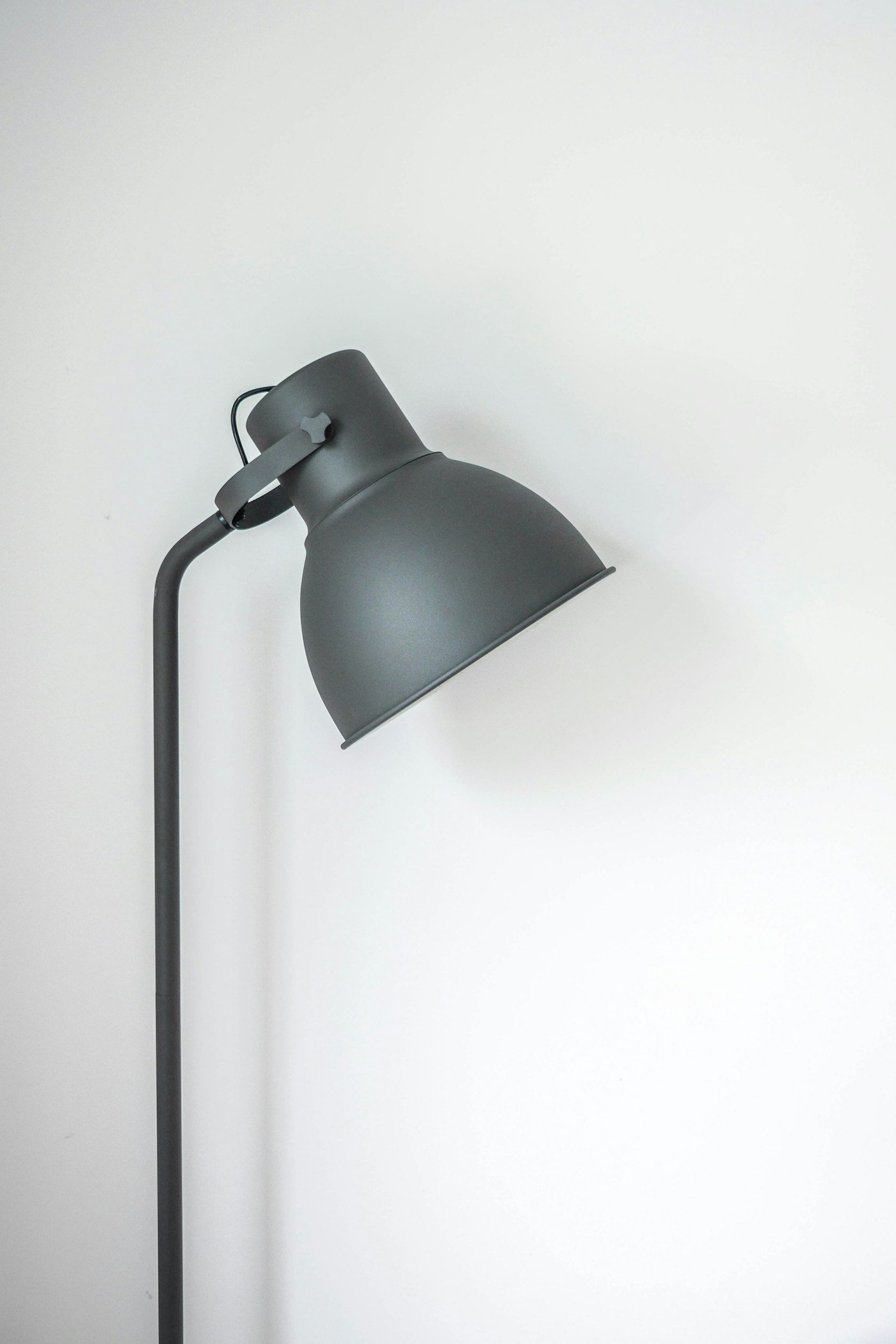
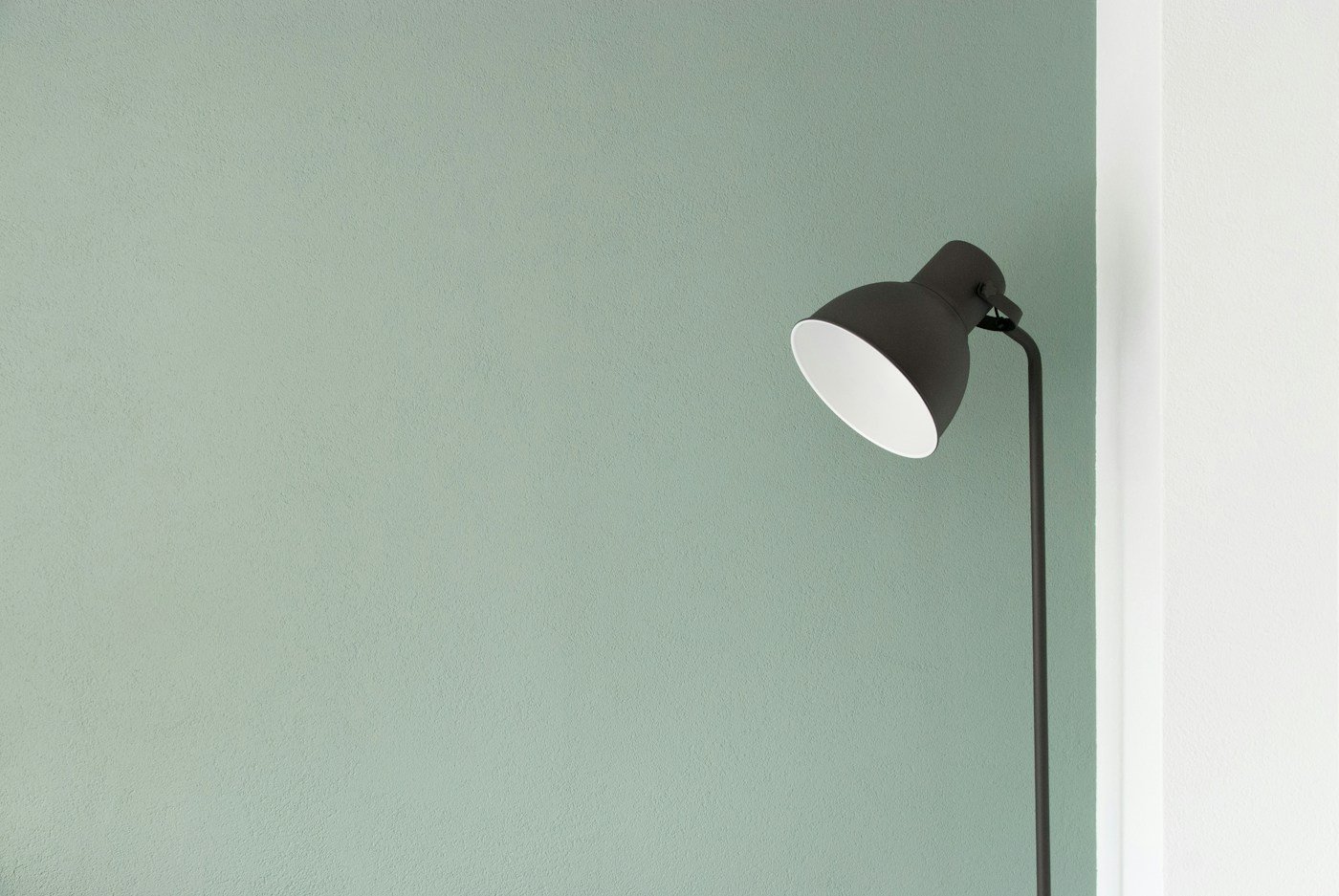
2. Add a floor lamp beside the seating area
A floor lamp can brighten a darker corner and make a lounge area feel intentional. Place it beside a sofa, armchair, or oversized bean bag, leaving enough clearance so people can sit down and get up without bumping into it. Check that the base is stable and that the cord is routed away from walkways.
3. Use a table lamp for reading and conversation
A table lamp on a side table can provide focused light for reading, puzzles, or a quiet conversation. The shade helps soften the light and can add another texture to the room. Choose a lamp height that works with the nearby seating and does not shine directly into anyone’s eyes.
4. Highlight one or two favorite details
Accent lighting can bring attention to a plant, a framed picture, or a bookshelf. A small lamp on a shelf or a carefully positioned picture light can add depth. Keep the effect subtle; the goal is to create gentle visual interest, not to illuminate every object.
5. Choose bulb color with the room’s purpose in mind
Warm-white light often feels relaxing in living spaces, while a more neutral white may be useful for detailed tasks. If you mix bulbs, try to keep the overall effect coordinated rather than having one corner look noticeably blue and another strongly yellow. Check the bulb packaging for color temperature and dimmer compatibility.
6. Make lighting work for family routines
Think about what happens in the room at different times of day. Children may need brighter light for games or homework, while adults may prefer softer lighting later in the evening. Separate lamps or dimmable fixtures make it easier to adapt the room without changing the furniture arrangement.
7. Keep safety and practical details in mind
- Keep lamp cords out of walkways and secure them where needed.
- Use stable lamps that are difficult to tip over, especially around children and pets.
- Follow the fixture’s maximum-wattage and bulb instructions.
- Keep fabric, throws, curtains, and decorations away from hot bulbs.
- Use outdoor-rated products only outdoors and keep electrical items away from moisture.
8. Test the room after dark
Turn on the lights you plan to use and sit in the places where your family usually relaxes. Notice whether the light is too bright, too dim, or shining directly into someone’s eyes. Move a lamp a little, change the shade, or switch to a compatible lower-brightness bulb if needed.
Bring the whole lounge area together
Layered lighting works best when it supports the way you use the room. A floor lamp near the main seating, a table lamp for reading, and a small accent light can make the space feel welcoming without adding clutter. Leave clear paths around furniture and keep cords safely tucked away.
A softer evening starts with a few thoughtful choices
You do not need to replace your furniture or redesign the entire room. Start with one lamp, see how it changes the atmosphere, and build from there. The right combination of comfortable seating and practical lighting can make an ordinary living room a place everyone enjoys spending time in.
Image credits: Unsplash contributors.