
Bean bag seating brings a relaxed, informal feel to a room. The trick is making the rest of the décor feel just as considered. Layering textures—rather than adding lots of colors or accessories—can make a lounge area feel warm and inviting without looking cluttered.
You do not need a full room makeover. A few thoughtful contrasts between soft, nubby, smooth, and woven surfaces can give the space depth while allowing the bean bag to remain the comfortable focal point.
1. Choose one texture to lead
Begin with the largest or most noticeable surface in the seating area. If your bean bag has a plush or shaggy cover, let that be the main tactile feature. Keep nearby pieces a little quieter so the room does not feel busy. If your seating is smooth, a chunky knit throw or woven rug can add the softness and visual interest.
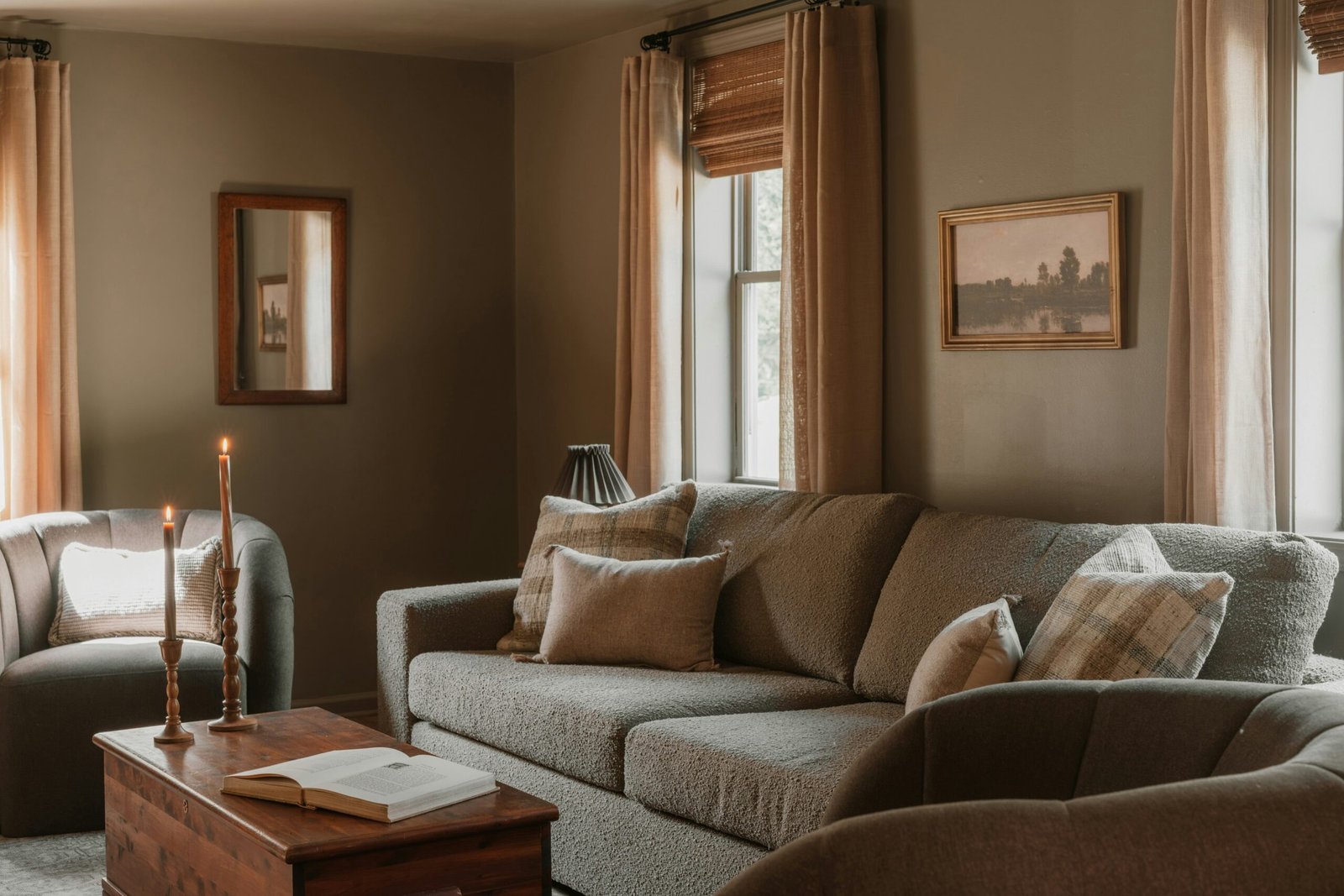
2. Mix textures with different levels of contrast
Try pairing a plush surface with a flatter woven rug, or a soft throw with a smooth side table. The contrast is what makes each material noticeable. When every surface is fuzzy, chunky, or heavily patterned, the room can start to feel visually crowded.
A useful starting point is to choose two or three supporting textures in addition to the main seating. For example, combine a plush bean bag, a low-pile rug, and a linen cushion. Add another material only if the room still feels balanced.
3. Keep the color palette connected
Different textures do not need different colors. A room can feel layered with shades of cream, warm gray, taupe, charcoal, or muted green. Repeating one or two colors in a throw, cushion, rug, or curtain helps the pieces feel related even when their surfaces are different.
If you enjoy stronger color, use it in a small accent—such as one cushion or a folded blanket—rather than introducing several competing shades at once.
4. Use a rug to define the lounge area
A rug can visually anchor a bean bag and make the seating zone feel intentional. Choose a size that leaves a comfortable border around the furniture and does not create a trip hazard at the edges. Consider how the rug will handle everyday foot traffic, pets, and cleaning before choosing a deep pile or delicate weave.
5. Add a throw for practical softness
A throw is an easy way to introduce another texture and refresh the look of a room. Fold it over one side of the seating or keep it in a nearby basket when it is not being used. If children or pets share the space, choose a fabric that suits your household’s cleaning routine and follow its care label.
6. Leave some visual breathing room
Not every corner needs a cushion, basket, plant, and blanket. Leave a few surfaces simple so the textures you chose can stand out. A clear floor area around the bean bag also makes it easier to move through the room and adjust the seating when needed.
7. Check the room in daylight and at night
Natural light can make woven and nubby materials look different from the way they appear under lamps. Take a step back during the day and again in the evening. If the room feels too busy, remove one accessory or swap a patterned piece for a solid color.
A cozy room comes from balance
Good texture layering is less about adding more and more about choosing a few materials that complement one another. Let the bean bag be the inviting center, then use a rug, throw, and a small number of accents to make the room feel finished. The result can be comfortable, personal, and easy to live with.
Image credits: Caroline Badran and Clay Banks via Unsplash.